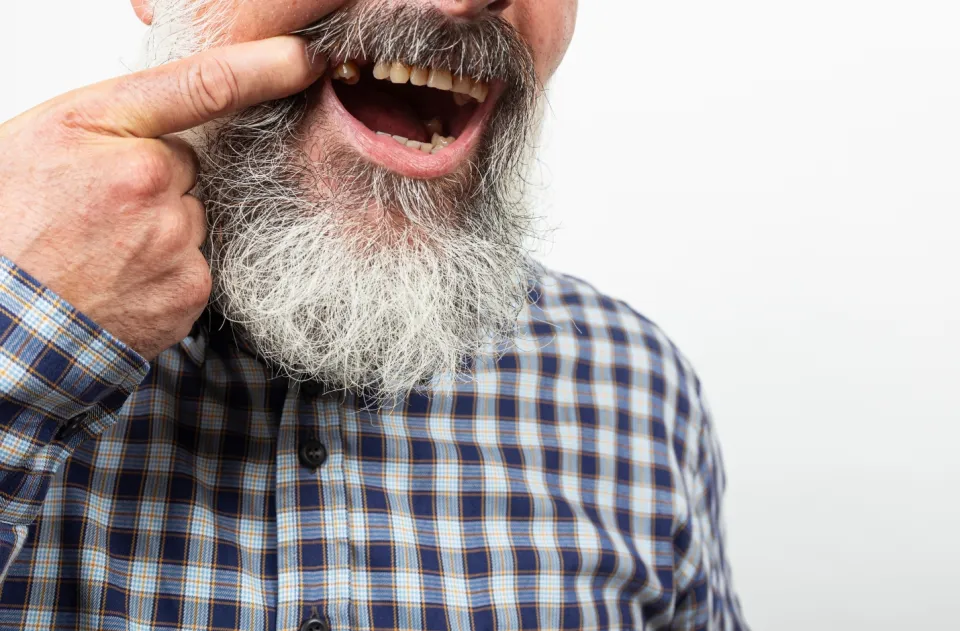
It’s surprisingly common to live with a missing tooth, especially if it’s toward the back of the mouth and not visible when you smile. Many people assume that if it doesn’t hurt, it’s not urgent. But a missing tooth can quietly affect your oral health in ways that aren’t always obvious at first.
Knowing what can happen over time helps you make proactive, informed decisions about your dental care.
Why One Missing Tooth Matters More Than You Think
Your teeth work together as a system. Each tooth helps maintain spacing, alignment, and balance when you chew or speak. When a tooth is missing, the surrounding teeth no longer have that support.
Over time, nearby teeth may begin to shift into the open space, which can:
- Change your bite
- Make chewing less effective.
- Increase stress on other teeth.
- Contribute to jaw discomfort or headaches.
These changes often happen slowly, which is why many people don’t notice them until problems become more serious.
Jawbone Loss After Tooth Loss
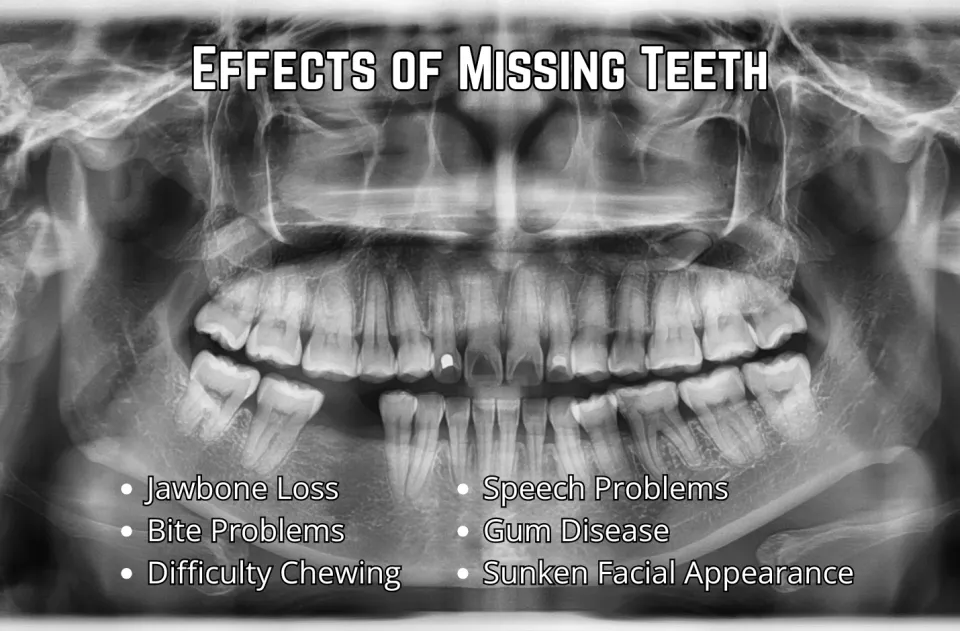
One of the most important reasons dentists recommend replacing a missing tooth is to protect the jawbone. Tooth roots stimulate the bone every time you chew. Without that stimulation, the body starts to reabsorb the bone in that area.
This process is called bone loss, which can lead to:
- A weaker jaw structure
- Shifting teeth
- Changes in facial appearance over time
- Reduced support for future dental restorations
Bone loss can begin within months of losing a tooth, even if there’s no pain.
Every day affects you; you may not expect
A missing tooth can impact daily life in subtle ways, including:
- Food collecting in the gap
- Difficulty chewing certain foods
- Increased wear on remaining teeth
- Changes in speech or pronunciation
These issues often develop gradually but can affect comfort, confidence, and overall oral health.
Long-Term Dental Risks of Leaving a Tooth Unreplaced
As teeth shift and bone loss progresses, maintaining proper oral hygiene becomes more difficult. This can increase the risk of:
- Gum disease
- Tooth decay
- Additional tooth loss
- More complex dental treatments later
What starts as a single missing tooth can eventually affect your entire smile if left untreated.
Replacing a Missing Tooth Protects Your Oral Health
Replacing a missing tooth helps restore balance to your mouth, supports jawbone health, and allows you to chew and speak more comfortably. Today’s dental solutions are designed to look natural and function like real teeth, helping protect your smile for years to come.
Even if your missing tooth isn’t causing discomfort now, it’s important to address it early. Schedule a dental consultation to discuss your options and prevent more serious problems down the road.
It’s surprisingly common to live with a missing tooth, especially if it’s toward the back of the mouth and not visible when you smile. Many people assume that if it doesn’t hurt, it’s not urgent. But a missing tooth can quietly affect your oral health in ways that aren’t always obvious at first.
Replacing a missing tooth helps restore balance to your mouth, supports jawbone health, and allows you to chew and speak more comfortably. Today’s dental solutions are designed to look natural and function like real teeth, helping protect your smile for years.
Dentist in Tampa, FL, Tomlinson Dental
3911 North Boulevard, Tampa, FL 33603
Emergency Dentist, Dental Implants, Implant-Supported Dentures